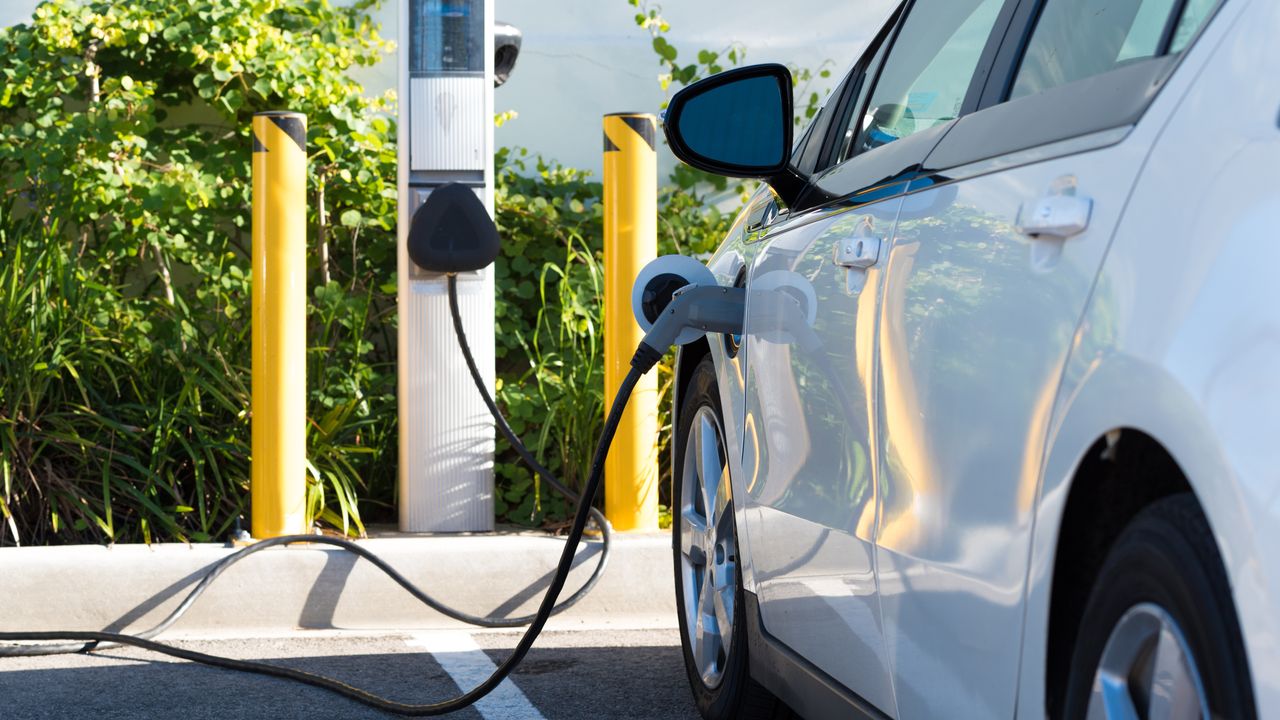
EV Charging Platform Analytics: How Data Storage, Predictive Analytics, and Performance Metrics Can Help You Optimize Your Charging Platform
As the world moves towards a more sustainable future, electric vehicles (EVs) are becoming increasingly popular. However, one of the biggest challenges facing EV owners is finding a reliable and convenient charging station. This is where EV charging platforms come in. These platforms allow EV owners to locate and reserve charging stations, as well as pay for charging services. But, how can you optimize your charging platform to ensure it meets the needs of your customers? The answer lies in EV charging platform analytics.
Charging Platform Data Storage
One of the most important aspects of EV charging platform analytics is data storage. By collecting and storing data on charging station usage, you can gain valuable insights into how your platform is being used. This data can include information on the number of charging sessions, the duration of each session, and the energy consumed during each session.
By analyzing this data, you can identify trends and patterns in charging station usage. For example, you may discover that certain charging stations are more popular than others, or that there are certain times of day when charging demand is higher. Armed with this information, you can make informed decisions about where to install new charging stations and how to allocate resources to ensure that your platform meets the needs of your customers.
Charging Platform Predictive Analytics
In addition to data storage, predictive analytics can also be a powerful tool for optimizing your EV charging platform. By analyzing historical data on charging station usage, you can develop predictive models that can help you anticipate future demand. For example, you may be able to predict when certain charging stations are likely to be in high demand based on historical usage patterns.
This information can be used to optimize your charging platform in a number of ways. For example, you may be able to adjust pricing for charging services during peak demand periods to encourage customers to use less popular charging stations. Alternatively, you may be able to install additional charging stations in areas where demand is likely to increase in the future.
Charging Platform Performance Metrics
Finally, performance metrics are another key component of EV charging platform analytics. By monitoring the performance of your charging stations, you can identify areas where improvements can be made. This can include metrics such as uptime, availability, and charging speed.
For example, if you notice that certain charging stations are frequently out of service, you may need to invest in more reliable equipment or improve your maintenance procedures. Similarly, if you notice that charging speeds are slower than expected, you may need to upgrade your equipment to ensure that your customers can charge their vehicles quickly and efficiently.
Conclusion
In conclusion, EV charging platform analytics can be a powerful tool for optimizing your charging platform. By collecting and analyzing data on charging station usage, developing predictive models, and monitoring performance metrics, you can ensure that your platform meets the needs of your customers and provides a reliable and convenient charging experience. Whether you are a charging station operator or an EV owner, understanding the importance of EV charging platform analytics can help you make informed decisions and drive the growth of the EV industry.