Walk through any major city on a smoggy afternoon and the difference between electric cars and their gas-guzzling predecessors becomes starkly clear. The shift to electric vehicles (EVs) is not just about cleaner engines and quieter rides; it’s a catalyst for rethinking how cities are designed and experienced. Electric cars have the potential to reshape urban landscapes and reduce pollution in ways that go far beyond simply replacing one mode of transport with another.
The Impact of Electric Vehicles on Urban Air Quality
One of the most immediate benefits of electric cars is the dramatic improvement in air quality. Cities worldwide grapple with pollution caused by internal combustion engines, which emit nitrogen oxides, particulate matter, and other harmful pollutants. These emissions contribute to respiratory problems, cardiovascular diseases, and premature deaths.
Electric vehicles produce zero tailpipe emissions, eliminating a significant source of urban air pollution. This change is not hypothetical; cities with higher EV adoption rates already report noticeable improvements in air quality. Reduced pollution means fewer smoggy days, clearer skies, and healthier lungs for city dwellers. Moreover, cleaner air benefits vulnerable populations, including children and the elderly, who are disproportionately affected by poor air quality.
Redesigning Cities for Electric Mobility Infrastructure
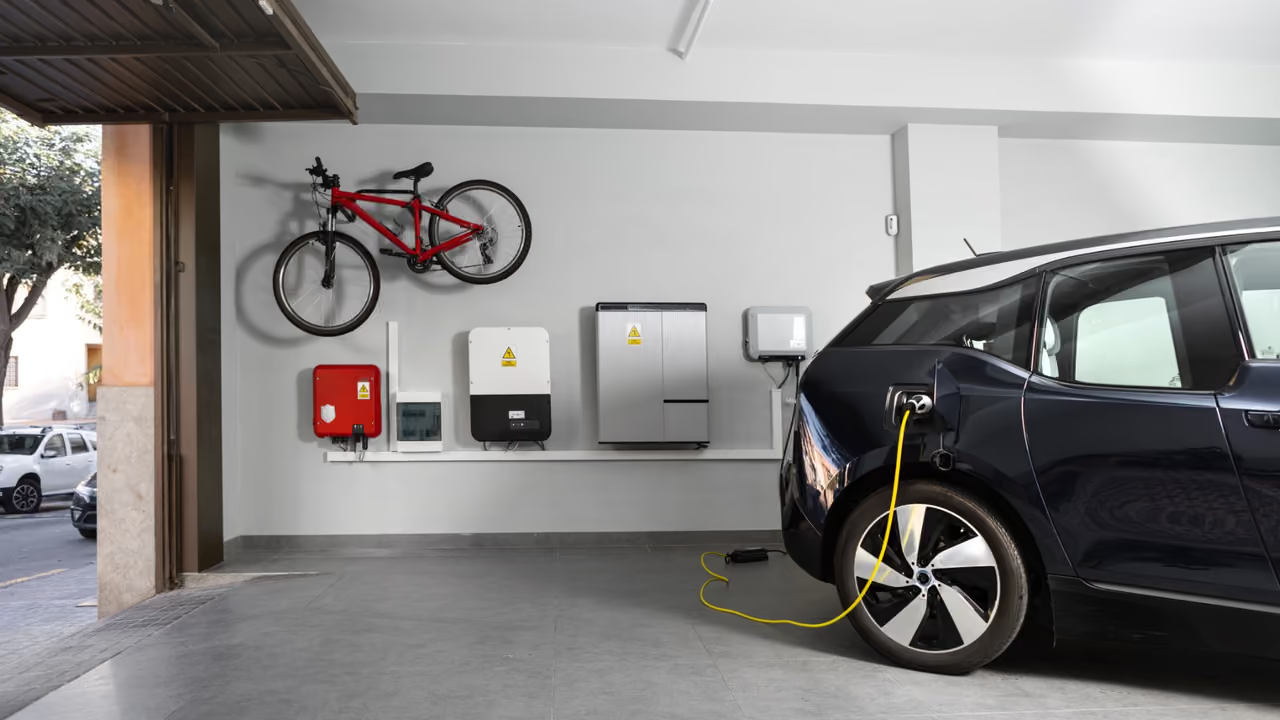
The rise of electric cars demands a rethink of urban infrastructure. Unlike gas stations, EVs require charging points, which opens new possibilities for how and where vehicles refuel. Instead of large, centralized fuel stations, charging infrastructure can be integrated seamlessly into existing city fabric—residential areas, parking garages, even streetlights.
This shift encourages a move away from sprawling gas station complexes that consume valuable urban land. Cities can reclaim these spaces for more productive uses, such as parks or community centers. Additionally, the need for widespread, accessible charging networks promotes innovation in urban planning, including:
- Embedding fast chargers in commercial zones to encourage local business visits.
- Installing overnight chargers in residential neighborhoods, reducing the need for dedicated parking lots.
- Developing smart grid technology to optimize energy consumption and reduce peak demand.
Urban planners are now envisioning cities where electric mobility is not an afterthought but a foundational element integrated into public spaces and roadways. This integration can reduce congestion by supporting shared EV fleets, car-sharing programs, and micro-mobility options that complement electric cars.
How Electric Cars Encourage the Development of Green Public Spaces
The environmental benefits of electric cars extend beyond air quality. As EVs reduce noise pollution, cities can repurpose noisy roadways and parking areas into green zones and recreational spaces. Less honking, engine noise, and exhaust means more tranquil urban environments, which naturally encourage outdoor activities, social interactions, and community building.
Furthermore, electric vehicles tend to support urban design that prioritizes pedestrians and cyclists. With quieter streets and cleaner air, cities become more walkable and bike-friendly. This shift can spur the creation of bike lanes, pedestrian plazas, and urban gardens, all contributing to enhanced biodiversity and better mental health among residents.
By reducing the footprint of traditional gas stations and parking lots, EV adoption frees up valuable city real estate. Cities can transform these spaces into:
- Urban parks that provide shade and fresh air.
- Community gardens that promote local food production.
- Outdoor event spaces that foster cultural activities and social cohesion.
The Long-Term Benefits of Electric Cars on Urban Living Standards
Electric cars offer more than just immediate environmental perks; they hold transformative potential for urban living standards over time. Cleaner air and quieter streets improve public health outcomes and reduce healthcare costs. The shift toward electric mobility also encourages investment in renewable energy sources, making cities more sustainable and resilient.
On the economic front, the growth of EV infrastructure creates new jobs in technology, construction, and maintenance. Cities embracing electric mobility often become hubs for innovation, attracting green businesses and talent. This can stimulate local economies and foster a culture of environmental responsibility.
Moreover, the integration of electric cars with smart city technologies promises better traffic management, lower energy consumption, and improved emergency response systems. As electric vehicles increasingly connect to digital networks, cities gain real-time data to optimize everything from parking availability to pollution monitoring.
Ultimately, electric cars are a lever that can pull entire urban ecosystems toward sustainability. They challenge planners and policymakers to rethink transportation, land use, and public health in holistic ways. The cities that adapt will not only reduce pollution but also enhance quality of life for generations to come.