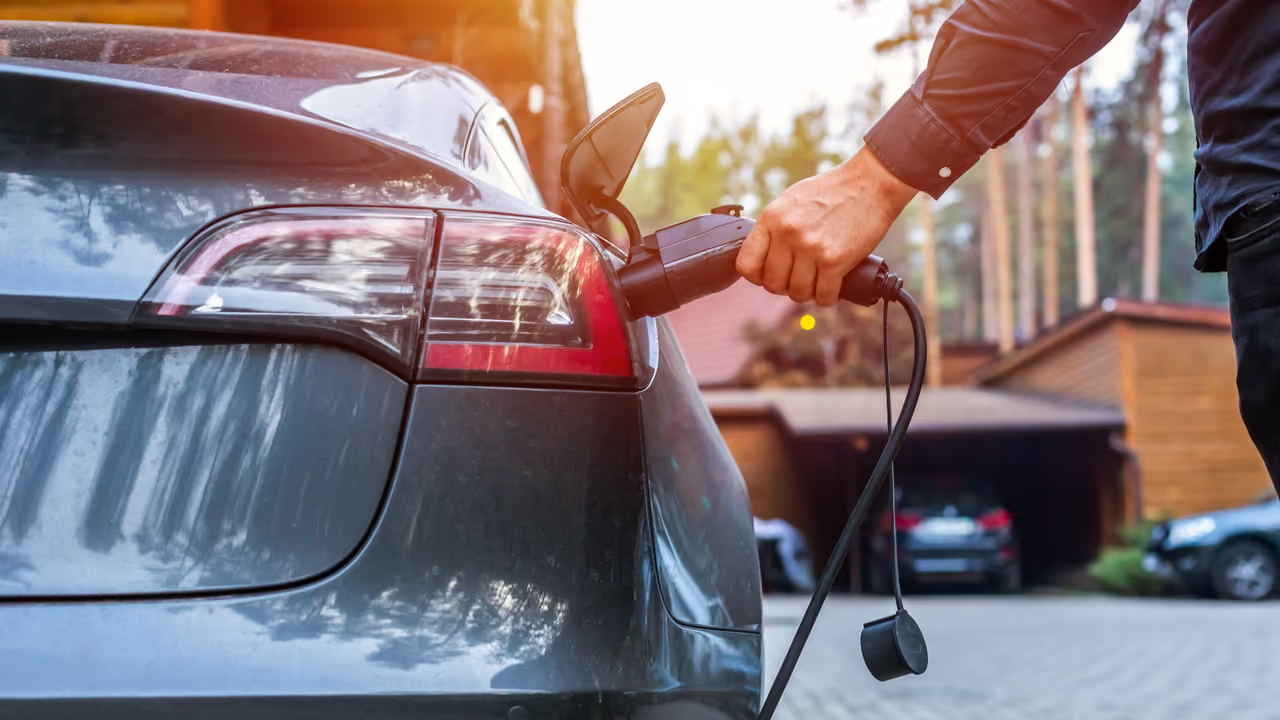
Electric vehicle charging is no longer just about plugging in and waiting. Thanks to smart grid technology, EV charging is evolving into a dynamic system that optimizes energy use, cuts costs, and helps balance the entire power network.
What is Smart Grid Technology and Why Does it Matter for EV Charging?
Smart grid technology refers to an advanced electricity network that uses digital communication and automation to monitor and manage the flow of electricity more efficiently. Unlike traditional power grids, smart grids can react in real time to changes in demand and supply, enabling better control over how energy is distributed and used.
When it comes to EV charging, this technology is a game-changer. As more electric vehicles hit the roads, the demand for charging increases dramatically. Without smart management, this surge could strain the grid, cause energy waste, or force expensive infrastructure upgrades. Smart grids allow EV chargers to communicate with the grid and adjust their operation based on current conditions, ensuring that energy is used precisely where and when it’s needed most.
How Smart Charging Balances Energy Demand and Supply
Smart charging, often called managed charging, leverages smart grid capabilities to optimize when and how EVs charge. Instead of all vehicles charging at once—usually during peak hours—smart charging systems schedule charging sessions based on grid load, electricity prices, and user preferences.
For example, a smart charger might delay charging until late at night when overall electricity demand drops and renewable energy generation peaks. Alternatively, it might slow down or pause charging briefly if the grid is under stress. This not only prevents overloads but also reduces the need for costly peak power plants.
Vehicle-to-grid (V2G) technology takes this a step further by allowing EVs to send electricity back to the grid during high-demand periods. This bi-directional flow helps stabilize the grid and turns EVs into distributed energy resources.
Key mechanisms behind smart charging include:
- Real-time data exchange: Chargers, vehicles, and grid operators share information to coordinate charging activities.
- Dynamic pricing: Electricity rates fluctuate based on supply and demand, encouraging charging during cheaper, off-peak hours.
- Load management: Charging power can be adjusted remotely to avoid grid overloads and reduce peak demand.
Benefits of Smart Charging for EV Owners and Utilities
For EV owners, smart charging means lower costs and greater convenience. By aligning charging times with periods of low electricity prices, drivers can save significantly on their energy bills. Some smart chargers even allow users to set preferences that prioritize minimizing costs or ensuring the vehicle is fully charged by a specific time.
Beyond personal savings, smart charging supports the wider adoption of EVs by reducing the risk of grid disruptions and avoiding expensive infrastructure upgrades. Utilities benefit from smoother demand curves and reduced need for peaking power plants, which are often less efficient and more polluting.
Moreover, smart charging enhances grid reliability. By preventing sudden spikes in demand, it helps maintain stable voltage and frequency levels, which are critical for safe and efficient electricity delivery. This stability also supports the integration of more renewable energy sources, which can be variable and unpredictable.
Future Prospects Integrating Renewable Energy with Smart EV Charging
The future of EV charging is tightly linked to renewable energy integration. Solar and wind power are clean but intermittent—they don’t always produce electricity when demand is highest. Smart grid technology and smart charging offer a solution by matching EV charging to the availability of renewable energy.
Imagine an EV charger that ramps up charging during a sunny afternoon when solar panels are at peak output, or pauses charging during cloudy periods. This synchronization not only maximizes the use of green energy but also reduces reliance on fossil fuel backup plants.
With advances in artificial intelligence and machine learning, smart charging systems will become even more sophisticated. They will predict grid conditions, user behavior, and weather patterns to fine-tune charging schedules automatically. Coupled with home energy storage systems and smart appliances, EVs will become integral parts of a flexible, responsive energy ecosystem.
Smart grid-enabled EV charging is reshaping the way we think about electricity and transportation. It’s not just about powering cars; it’s about creating a smarter, cleaner energy future.