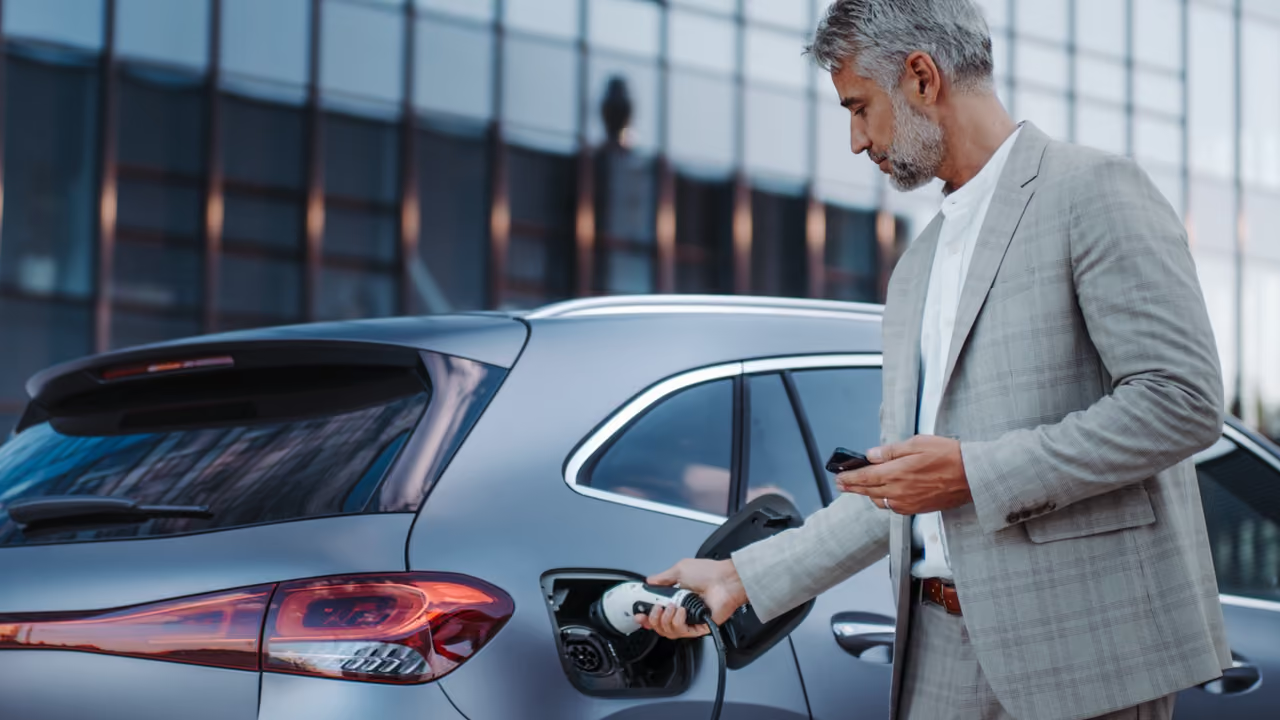
Electric cars are no longer just a niche for eco-enthusiasts or early tech adopters. They’re reshaping how we think about energy, not only for transportation but for our homes and entire communities. As these vehicles become a common sight on roads worldwide, their influence seeps deeper into the fabric of energy management, driving innovations in home power systems and national grids alike.
Integration of electric vehicles with smart home energy systems
The rise of electric vehicles (EVs) coincides with a surge in smart home technologies, creating a natural synergy. Today, EV owners can tap into sophisticated home energy setups that coordinate solar panels, battery storage, and vehicle charging. This integration means your car is more than just transportation; it becomes part of a holistic energy ecosystem.
Consider a typical scenario: you arrive home after work and plug your EV into a smart charging station. Instead of charging immediately at full power, the system waits for optimal times—perhaps when your solar panels produce peak energy or during off-peak electricity rates. This not only reduces your electricity bill but also eases stress on the grid.
Beyond saving money, this approach offers resilience. If the power goes out, your home can rely on stored energy in both stationary batteries and your EV’s battery. This kind of smart integration is turning electric cars into mobile power hubs that support household energy needs and make homes less dependent on traditional energy sources.
The impact of widespread EV adoption on national power grids
The growing number of electric cars presents a double-edged sword for national power grids. On one hand, the demand for electricity surges as millions of vehicles plug in daily. If unmanaged, this spike could overwhelm infrastructure, causing blackouts or forcing utilities to rely on carbon-heavy peaker plants.
On the other hand, EVs offer a unique opportunity to balance energy supply and demand. Utilities are increasingly exploring demand response programs where EV charging can be adjusted dynamically based on grid conditions. For example, during periods of high demand, charging can be slowed or paused, while during low demand, it can be ramped up.
This flexibility is crucial for grids incorporating large shares of intermittent renewable energy like wind and solar. As EV ownership grows, national grids must evolve from a one-way power delivery system into a dynamic, interactive network that leverages the stored energy within vehicle batteries.
Vehicle-to-grid technology using electric cars as energy storage
One of the most promising developments in EV-related energy management is vehicle-to-grid (V2G) technology. V2G enables electric cars to send electricity back to the grid, effectively turning them into mobile energy storage units.
Imagine your EV not just drawing power but also feeding it back during peak demand hours. This could reduce the need for expensive grid upgrades and fossil fuel backup plants. V2G systems can help stabilize grid frequency and voltage by injecting power when it’s needed most.
Several pilot programs worldwide have demonstrated V2G’s potential. For instance, fleets of electric buses or delivery vans, which have predictable schedules, can serve as reliable energy providers during downtime. However, widespread adoption requires overcoming technical and regulatory hurdles, such as battery degradation concerns and establishing fair compensation for vehicle owners.
Challenges and opportunities for renewable energy with EV growth
The intersection of electric vehicles and renewable energy is full of promise but also complexity. On the opportunity side, EVs can accelerate the adoption of solar and wind by providing flexible demand and distributed storage options. They help address the intermittency problem that plagues renewables, making clean energy more reliable and accessible.
Yet, challenges remain. The current electrical grid infrastructure in many regions wasn’t designed for the rapid, bidirectional flows of electricity that widespread EV integration entails. Upgrading transmission lines, transformers, and distribution networks is expensive and time-consuming.
Moreover, the environmental benefits of EVs depend heavily on the energy mix powering them. If charging relies on coal or natural gas, the carbon savings diminish dramatically. Coordinating EV charging with clean energy availability becomes essential.
Policy frameworks and incentives will play a pivotal role. Encouraging off-peak charging, supporting V2G pilot projects, and investing in grid modernization can unlock the full potential of EVs as partners in the clean energy transition.
Electric cars are no longer just altering our roads; they’re transforming the very grids and homes that power our lives. This evolution is messy, complex, and far from complete, but it’s already clear that the future of energy is electric in more ways than one.