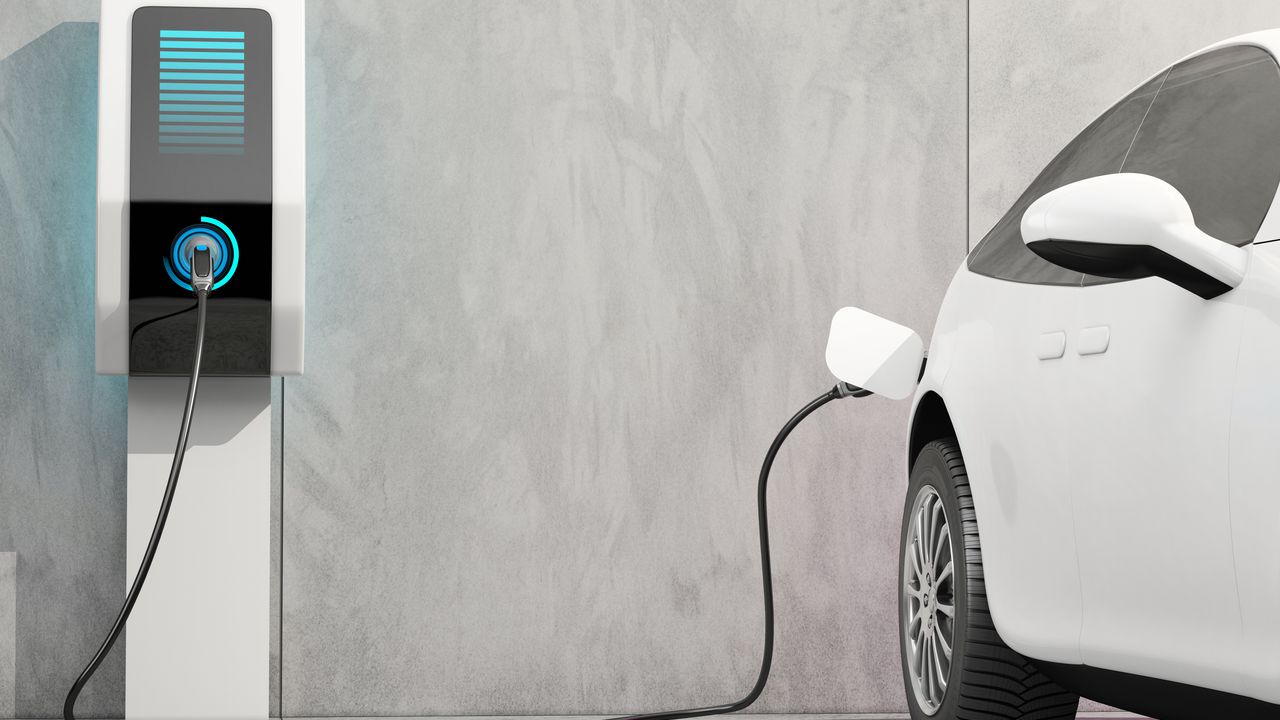
EV Charging Station Scheduling: Optimizing User Experience with Advanced Algorithms
As the popularity of electric vehicles (EVs) continues to rise, the demand for efficient and convenient charging solutions is also increasing. One crucial aspect of EV charging infrastructure is scheduling, which ensures that users can access charging stations when they need them. In this blog post, we will explore the importance of charging station scheduling, the role of user interfaces, and the algorithms that power these systems.
The Significance of Charging Station Scheduling
Efficient charging station scheduling is essential to meet the growing demand for EV charging. Without proper scheduling, users may face long wait times or find themselves unable to charge their vehicles when needed. This can lead to frustration and inconvenience, potentially discouraging EV adoption.
By implementing effective scheduling systems, EV charging station operators can optimize the utilization of their infrastructure, ensuring that charging stations are available to users when required. This not only enhances the user experience but also maximizes the return on investment for charging station owners.
The Role of User Interfaces
A user-friendly interface is crucial for charging station scheduling systems. It allows users to easily find available charging stations, book slots, and manage their charging sessions. A well-designed user interface simplifies the entire process, making it accessible to all EV owners, regardless of their technical expertise.
When designing a charging station scheduling user interface, it is important to consider the following:
- Real-time Availability: Displaying real-time information about the availability of charging stations helps users plan their charging sessions effectively.
- Intuitive Navigation: A clear and intuitive interface enables users to easily navigate through the scheduling system, reducing the time required to book a charging slot.
- Mobile-Friendly Design: With the increasing use of smartphones, a mobile-friendly interface ensures that users can access the scheduling system on the go.
By prioritizing user experience and designing an intuitive interface, charging station operators can encourage more EV owners to utilize their infrastructure, further promoting sustainable transportation.
Charging Station Scheduling Algorithms
Behind every efficient charging station scheduling system lies a powerful algorithm. These algorithms consider various factors to optimize the allocation of charging slots, ensuring fair distribution and minimizing wait times.
Some common charging station scheduling algorithms include:
- First-Come, First-Served (FCFS): This algorithm assigns charging slots based on the order of user requests. While simple, it may result in longer wait times during peak periods.
- Round Robin: The round-robin algorithm distributes charging slots equally among users, ensuring a fair allocation. However, it may not consider factors like charging duration or battery levels.
- Priority-Based: This algorithm assigns priority to certain users based on predefined criteria, such as membership level, emergency situations, or special needs.
- Optimization Algorithms: Advanced optimization algorithms, such as genetic algorithms or machine learning-based approaches, consider multiple variables to maximize the efficiency of charging station utilization.
By leveraging these charging station scheduling algorithms, operators can strike a balance between user satisfaction and efficient resource allocation.
Conclusion
Efficient charging station scheduling is crucial for the widespread adoption of electric vehicles. By prioritizing user experience through intuitive interfaces and leveraging advanced scheduling algorithms, operators can optimize the utilization of their charging infrastructure while ensuring a seamless experience for EV owners.
As the EV market continues to grow, investing in robust charging station scheduling systems will be key to meeting the increasing demand and promoting sustainable transportation.