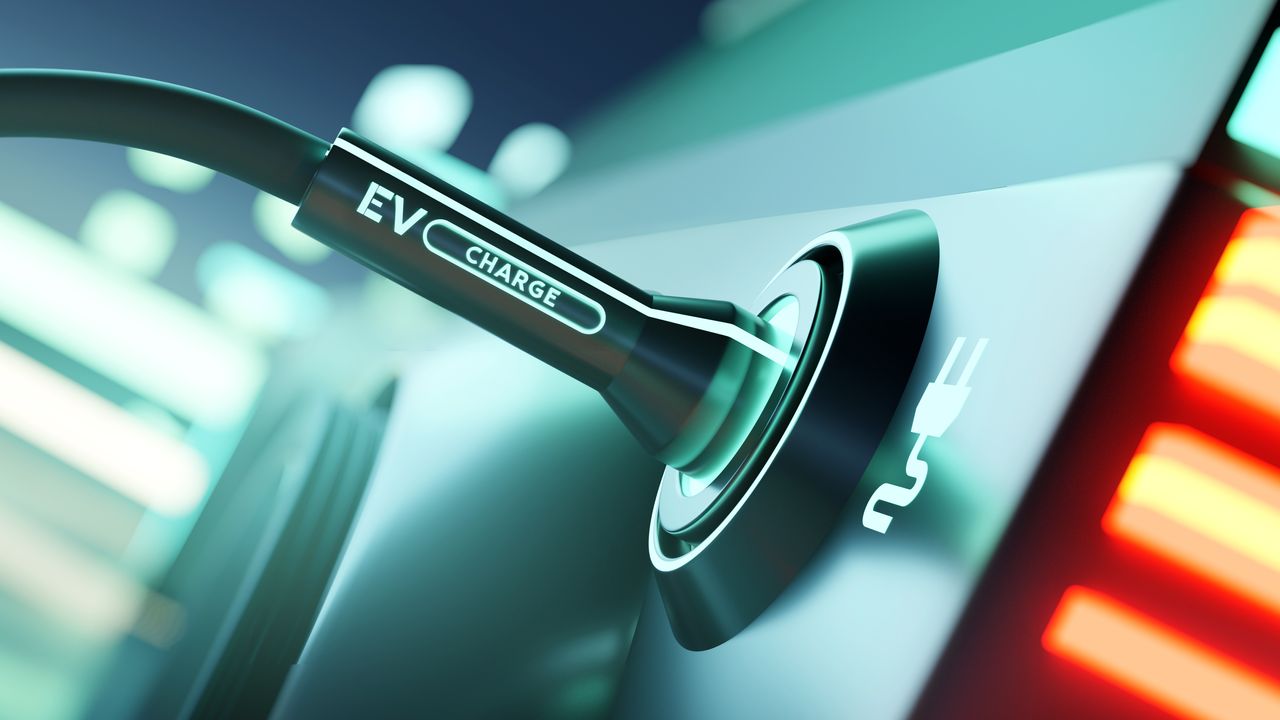
EV Charging Platform User Experience: Enhancing Convenience and Efficiency
As electric vehicles (EVs) continue to gain popularity, the need for reliable and user-friendly charging infrastructure becomes increasingly important. EV charging platforms play a crucial role in providing a seamless experience for EV owners, allowing them to conveniently charge their vehicles while optimizing their charging sessions.
Understanding Charging Platform User Personas
Before delving into the user experience of EV charging platforms, it is essential to understand the different personas that utilize these platforms. Charging platform user personas can vary based on factors such as their charging habits, vehicle models, and charging preferences.
For instance, there are EV owners who primarily charge their vehicles at home and only rely on public charging stations occasionally. On the other hand, some users heavily depend on public charging infrastructure due to limited charging options at their residences. Understanding these personas helps charging platform providers tailor their services to meet specific user needs.
Streamlining Charging Platform User Onboarding
One of the critical aspects of a positive user experience is a smooth onboarding process. Charging platform user onboarding involves guiding new users through the registration and setup process, ensuring they can easily access and utilize the platform’s features.
During the onboarding process, it is crucial to provide clear instructions and guidance to users. This includes explaining how to create an account, link their EVs to the platform, and set up payment methods. By simplifying this process, charging platform providers can minimize user frustration and encourage greater adoption of their services.
Optimizing Charging Platform Session Details
Once users are onboarded, the charging platform should offer comprehensive session details to enhance the overall charging experience. Users should be able to access real-time information about their charging sessions, including the charging speed, estimated time to full charge, and the cost of the session.
By providing detailed session information, users can make informed decisions about their charging needs. They can plan their charging sessions more effectively, ensuring their vehicles are adequately charged when needed. Additionally, transparent cost information allows users to track their charging expenses and make budget-conscious decisions.
Benefits of a User-Friendly Charging Platform
A user-friendly EV charging platform offers numerous benefits to both users and charging infrastructure providers. Some of these benefits include:
- Convenience: Users can easily locate available charging stations, initiate charging sessions, and monitor their progress through a user-friendly interface.
- Efficiency: Optimized charging sessions and access to real-time information enable users to make the most of their charging time, reducing waiting times and maximizing their EV’s range.
- Flexibility: Charging platform user personas cater to different charging preferences, allowing users to choose between home charging, public charging, or a combination of both.
- Cost Management: Transparent session details and cost information empower users to monitor their charging expenses and make informed decisions to fit their budget.
Conclusion
EV charging platforms play a vital role in enhancing the user experience of electric vehicle owners. By understanding charging platform user personas, streamlining the onboarding process, and optimizing session details, these platforms can provide a seamless and efficient charging experience.
As the demand for electric vehicles continues to grow, investing in user-friendly charging platforms becomes increasingly important. By prioritizing convenience, efficiency, and cost management, charging platform providers can contribute to the widespread adoption of electric vehicles and the development of a sustainable transportation ecosystem.