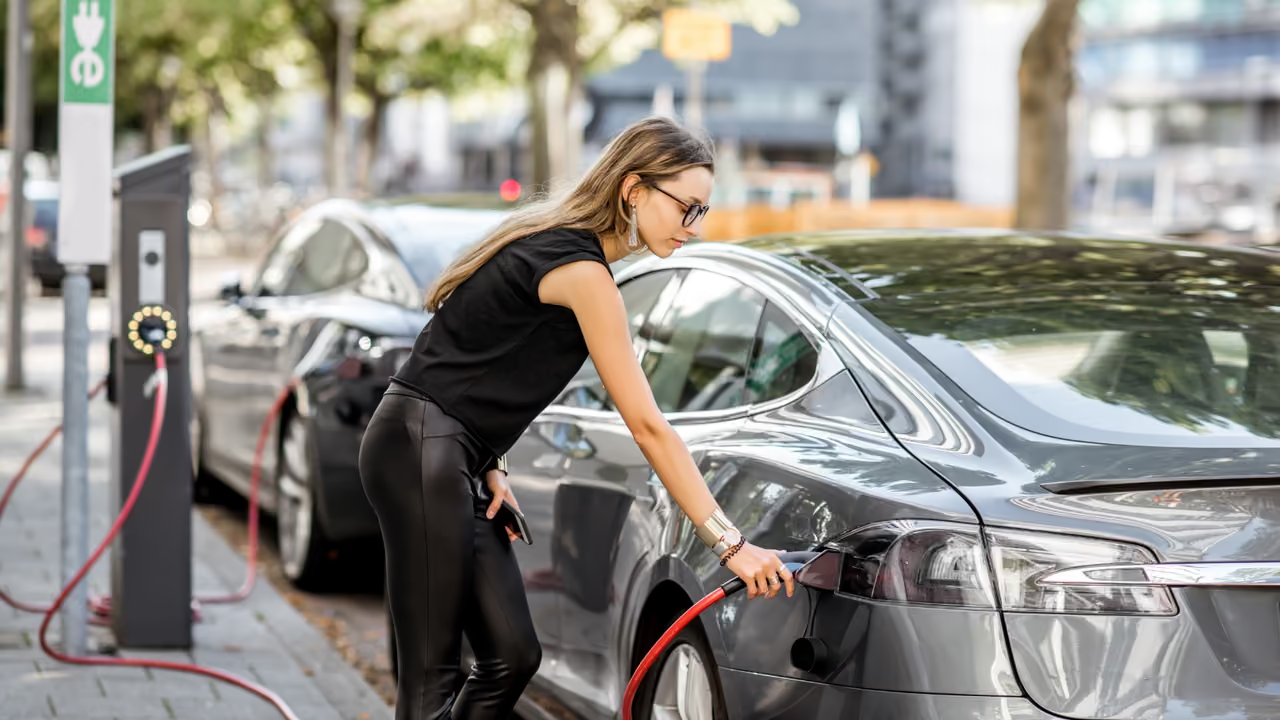
Electric cars aren’t just changing how we get from point A to point B—they’re quietly transforming the way we store and manage renewable energy. As the grid faces growing pressure from intermittent sources like wind and solar, electric vehicle (EV) batteries are stepping up as crucial players in stabilizing power systems and enabling a cleaner energy future.
The role of EV batteries in enhancing grid stability
At first glance, electric cars and the power grid might seem like separate worlds. But EV batteries represent a massive, distributed reservoir of energy storage that can absorb excess electricity when renewable generation is high and feed power back when demand spikes. This capability is increasingly important as grids incorporate more wind and solar, which fluctuate with weather and daylight.
When solar panels produce more electricity than the grid needs during the day, EVs plugged in at home or work can soak up the surplus energy, preventing waste and reducing the need for fossil-fueled backup plants. At night, when solar output drops, these same batteries can discharge stored energy to help smooth out demand peaks. This dynamic balancing act helps maintain grid frequency and voltage within safe limits, avoiding blackouts and equipment damage.
Distributed energy storage on a massive scale
Unlike traditional stationary batteries, EVs are mobile and located across neighborhoods, businesses, and cities. This distribution reduces transmission losses and places storage capacity close to where electricity is used. Utilities and grid operators are starting to recognize the value of this “behind-the-meter” storage, which can respond rapidly to grid signals and provide localized support to congested circuits.
Vehicle-to-grid technology turning cars into power sources
The real game-changer is vehicle-to-grid (V2G) technology, which allows bidirectional flow of electricity between EVs and the grid. Instead of simply drawing power to charge, V2G-enabled vehicles can send electricity back, effectively turning each car into a mobile power plant.
- Grid services: EVs can provide frequency regulation, voltage support, and demand response by adjusting their charge and discharge rates based on grid needs.
- Emergency backup: In outages or emergencies, V2G-equipped cars can supply critical power to homes or facilities.
- Renewable integration: By absorbing surplus renewable energy and delivering it when generation dips, EVs help smooth out supply fluctuations.
This two-way flow requires smart communication between vehicles, chargers, and grid operators, often leveraging advanced software and real-time data. Several pilot projects worldwide have demonstrated V2G’s potential, but widespread adoption still faces technical, regulatory, and economic hurdles.
How V2G benefits EV owners and the grid
For drivers, V2G can mean new revenue streams by selling stored energy back to the grid at peak times or participating in grid support programs. For utilities, aggregated fleets of EVs offer a flexible resource that can defer costly infrastructure upgrades and improve grid resilience.
Challenges and opportunities in integrating EVs with renewable energy
Despite the promise, integrating electric vehicles into renewable-powered grids isn’t without challenges.
- Battery degradation concerns: Frequent cycling of EV batteries for grid services can accelerate wear and reduce lifespan, raising questions about warranty and replacement costs.
- Infrastructure limitations: Widespread V2G adoption requires compatible chargers, communication protocols, and grid upgrades that are still under development.
- Regulatory barriers: Current electricity market rules and utility rate structures often don’t accommodate or incentivize vehicle-based energy services.
- User acceptance: Drivers may hesitate to participate if it affects vehicle availability or battery health.
Yet these challenges also open doors for innovation. Advances in battery technology, such as solid-state batteries and improved management systems, promise longer-lasting cells better suited for grid cycling. Smart charging platforms can optimize when and how vehicles charge or discharge to balance grid needs with driver preferences. Regulators in some regions are updating policies to recognize and reward EVs for their grid contributions.
Future prospects smart grids and sustainable transportation synergy
Looking ahead, the convergence of electric vehicles and renewable energy storage will deepen as smart grids evolve. These digitally connected power networks can orchestrate countless distributed resources—solar panels, home batteries, EVs, and flexible loads—to operate harmoniously.
- Dynamic pricing: Real-time electricity prices will guide EV charging and discharging, encouraging use when renewables are abundant and discouraging it during peak fossil fuel generation.
- Integrated energy ecosystems: Homes equipped with solar panels, stationary batteries, and EVs will become mini power hubs that manage self-consumption and grid interaction efficiently.
- Grid resilience: Distributed EV storage will help grids recover faster from outages and manage extreme weather events.
- Decarbonization: The synergy between EVs and renewables can reduce dependence on fossil fuels for both transport and electricity, accelerating progress toward climate goals.
Electric cars have evolved beyond just zero-emission transport. They are emerging as vital components in the energy transition, bridging the gap between intermittent renewable generation and steady electricity demand. As technology and policy catch up, the lines between mobility and energy will blur, crafting a future where our vehicles don’t just consume power—they become active partners in a sustainable energy system.