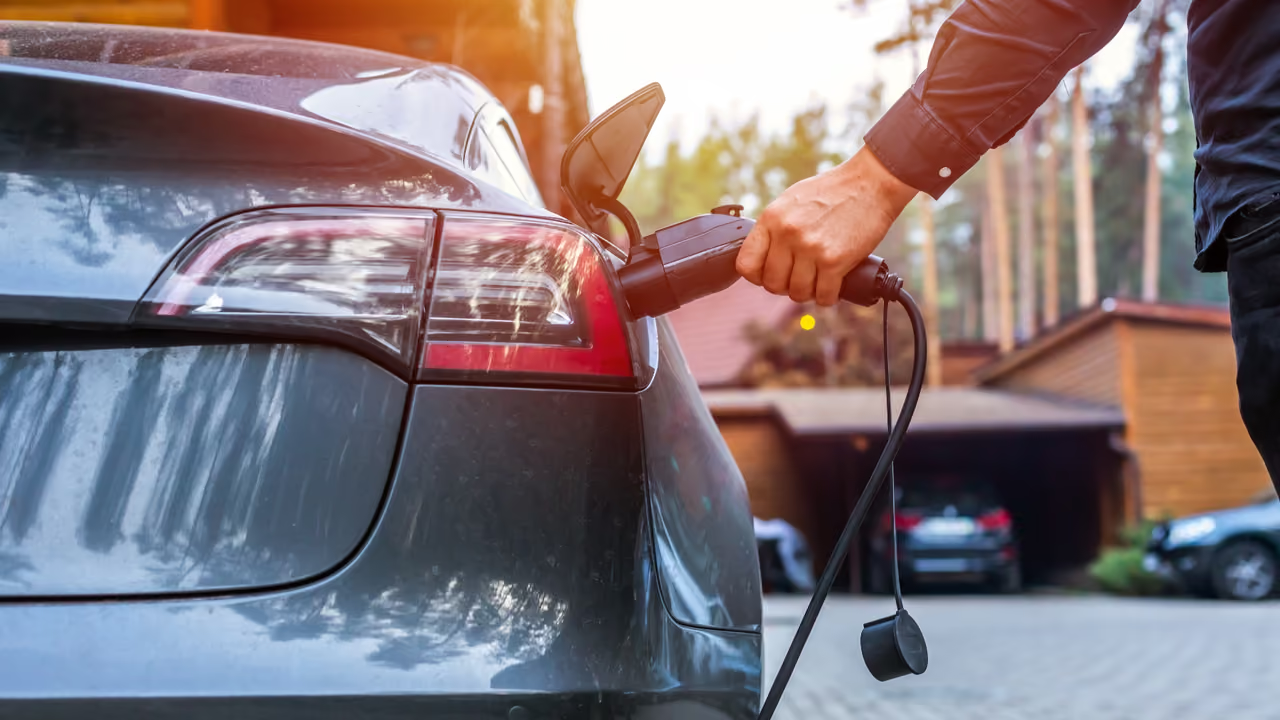
Is it cheaper to charge your electric vehicle (EV) at home or rely on public charging stations? As EVs become more common, knowing the costs behind charging options matters—not just for saving money but for making smart choices about your car’s energy use.
Comparing the Cost of Home Charging and Public Charging Stations
Charging at home usually costs less. Electricity rates from your utility company tend to be lower than what public stations charge. On average, home electricity costs between $0.12 and $0.20 per kilowatt-hour (kWh), depending on where you live and your plan. Public chargers, especially fast chargers, often cost from $0.30 up to $0.79 per kWh or even more.
Still, setting up a home charger can be pricey. Installing a Level 2 charger might cost between $500 and $2,000. This upfront cost can stop some people from choosing home charging. Public chargers don’t need any installation from you, but they can add fees like session charges, minimum connection fees, or parking costs.
Level 1 and Level 2 Home Chargers
- Level 1: Uses a regular 120V outlet. It’s slow but free if you already have the outlet at home.
- Level 2: Needs a 240V outlet. It charges faster but installation costs vary depending on your home’s wiring and electrician fees.
Public Charging Types
- Level 2 Public Chargers: Charge at a similar speed to home Level 2 chargers but cost more per kWh.
- DC Fast Chargers: Charge your EV much faster but are much pricier. These are best for emergencies or long trips when you need a quick boost.
Factors Influencing Charging Costs Time Location and Energy Source
Charging costs change based on when, where, and how you charge. Many utilities offer time-of-use (TOU) rates, where electricity is cheaper during off-peak hours like late night or early morning. Charging your EV during these times at home can cut your costs by up to half.
Public chargers in busy city centers or along highways often charge more than those in suburbs or rural areas. This is because of higher demand and operating costs.
The source of your electricity also matters. Some utilities offer renewable energy plans that let you charge your EV with cleaner power, though these plans can cost more. Some public charging networks claim to use 100% renewable energy but charge a premium for it. If you have solar panels at home, you can use that free energy to power your EV and lower your costs even more.
Strategies to Reduce Charging Expenses Tariffs Off-Peak Hours and Solar Integration
- Choose the Right Tariff Enroll in a TOU electricity plan if your utility offers one. Charging during off-peak hours can save you a lot.
- Smart Chargers Use chargers that can schedule charging for the cheapest times automatically. This way, you don’t have to remember to plug in at night.
- Solar Panels Installing solar panels can provide clean, free energy for your home charger. Pairing solar with a home battery lets you charge your EV even when the sun isn’t shining, like at night or on cloudy days.
- Public Charging Subscriptions Some public networks offer subscription plans that lower per-use fees if you charge away from home often. These can be worth it if you travel a lot.
- Combination Charging Use home charging for daily driving and save public fast chargers for long trips or emergencies. This keeps your costs down and your EV ready when you need it.
Future Trends in EV Charging Infrastructure and Economic Implications
The EV charging world is changing fast. More companies are competing to offer public charging, which is pushing prices down and making stations easier to find. New technology like wireless charging and ultra-fast 350 kW chargers will change how and where we charge cars.
Governments are investing heavily in public charging networks, aiming to make them fair and green. This means public charging could get cheaper and cleaner soon, especially as battery and grid tech improve.
Still, charging at home will stay the cheapest choice for most EV owners. As smart home energy systems get better, they will help you use your electricity more efficiently. Combining EVs with home solar power and batteries will reshape how we think about the cost of driving.