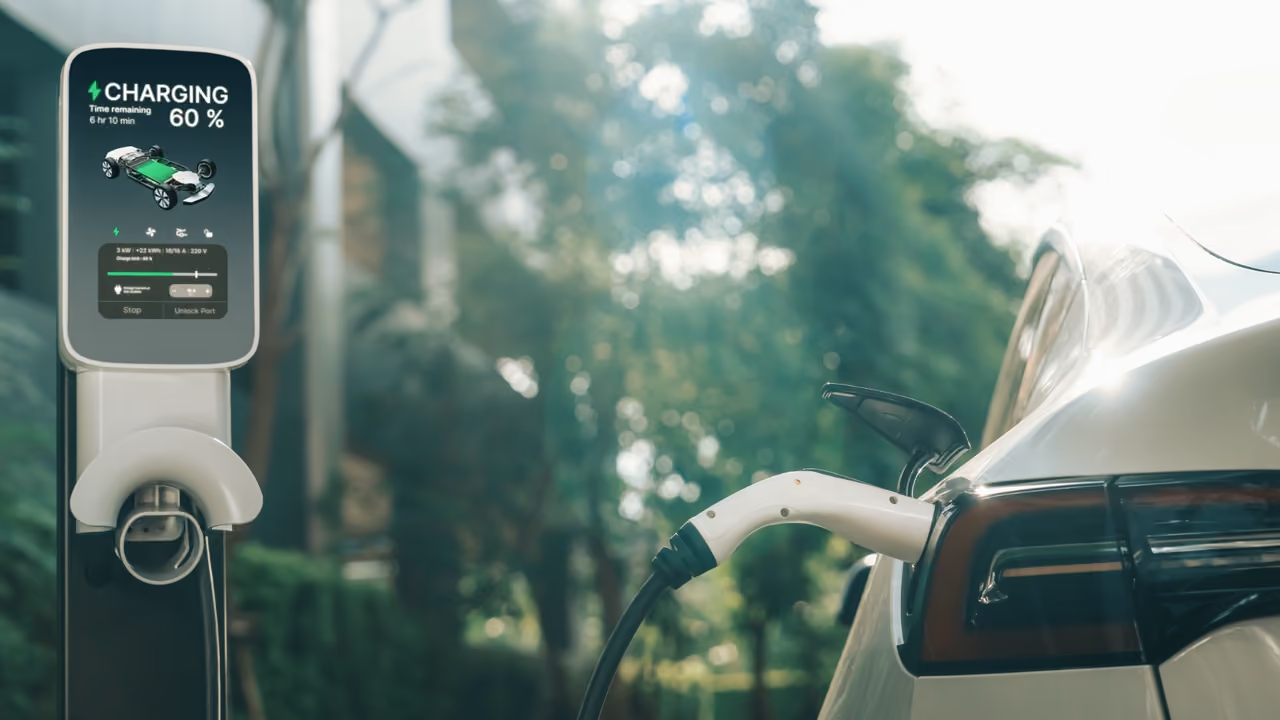
Electric vehicles promise a cleaner future, but the electricity they consume often hides a less green story. Charging an EV from a grid powered by coal or gas plants still contributes to carbon emissions, undermining the environmental benefits of driving electric. The real game changer lies in powering EV chargers directly with renewable energy sources like solar and wind, cutting the cord to fossil-fuel-dependent grids and pushing true sustainability forward.
The Environmental Impact of Traditional EV Charging
Electric vehicles themselves produce zero tailpipe emissions, which is a huge step up from internal combustion engines. However, the source of the electricity matters immensely. In many regions, the grid is still heavily reliant on fossil fuels. Charging an EV under such conditions merely shifts pollution from the tailpipe to the smokestack.
This dependency on traditional energy sources means that the carbon footprint of EVs varies significantly by location and time of day. For instance, charging during peak hours or in areas where coal dominates the energy mix can result in emissions comparable to or worse than efficient gasoline cars. The promise of EVs as a green solution is only as good as the electricity that powers them.
Benefits of Integrating Solar and Wind Energy at Charging Stations
Embedding renewable energy generation directly into EV charging infrastructure offers multiple benefits beyond just emissions reduction:
- Reduced Grid Dependency: On-site solar panels or wind turbines can supply power locally, easing demand on the grid and reducing transmission losses.
- Lower Operating Costs: Once installed, solar and wind energy have minimal ongoing costs, cutting down electricity expenses for station operators and users.
- Energy Resilience: Renewable-powered stations can maintain operations during grid outages, providing reliable charging when it’s needed most.
- Environmental Leadership: Visible renewable installations at public chargers raise awareness and encourage broader adoption of clean energy.
When renewables directly power EV chargers, the entire transportation ecosystem moves closer to carbon neutrality. It’s a crucial step in decarbonizing mobility beyond just swapping out the car.
Technological Challenges and Solutions for Renewable-Powered EV Chargers
While the concept is straightforward, integrating renewables with EV charging stations presents technical hurdles:
- Intermittency: Solar and wind power fluctuate with weather and daylight, making consistent power delivery challenging.
- Storage Needs: To smooth out supply and meet demand, battery storage systems must be incorporated, adding complexity and cost.
- Grid Management: Balancing local generation with grid interaction requires smart controls to optimize energy flow and avoid overloading.
- Space Constraints: Urban charging stations may have limited space for solar panels or turbines.
Addressing these challenges involves a mix of technology and design innovation:
- Hybrid Systems combine renewables with grid power and batteries, switching between sources to maintain reliability.
- Advanced Energy Management Software predicts generation and demand patterns to optimize charging schedules and storage use.
- Modular Designs allow scalable solar installations that fit within spatial limits while maximizing output.
- Vehicle-to-Grid (V2G) Technology enables EVs themselves to act as energy storage, feeding power back into the system when needed.
Case Studies of Successful Renewable EV Charging Implementations
1. Tesla’s Solar Supercharger Stations
Tesla has pioneered integrating solar canopies at some of its Supercharger locations. These stations use rooftop solar panels to offset a portion of the energy consumption, reducing reliance on the grid. Combined with Tesla’s battery technology, some sites achieve near full renewable operation during daylight hours.
2. The GreenWay Network in Slovakia
GreenWay has developed a network of charging stations that incorporate solar panels and small wind turbines. Many stations feature battery storage systems to buffer intermittent generation. This approach has enabled GreenWay to provide clean charging options even in rural areas where grid power can be unstable.
3. Australia’s Standalone Solar EV Charger
In remote parts of Australia, standalone solar EV chargers have been deployed to support electric vehicle usage far from the grid. These systems combine high-capacity solar arrays with large battery banks, allowing EV users to charge reliably despite the harsh and isolated environment.
4. The Netherlands’ Solar-Powered Fast Chargers
Several Dutch municipalities have installed solar canopies over public parking lots equipped with fast chargers. These installations generate enough energy to cover a significant fraction of the charging demand, demonstrating that urban renewable EV charging is feasible and practical.